
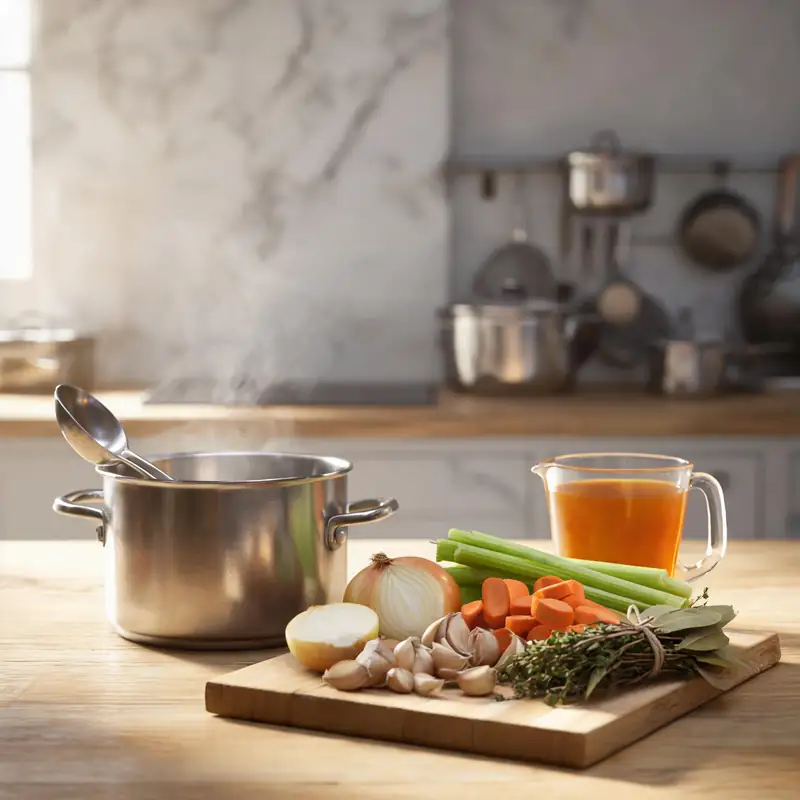
Why Homemade Stock Makes Every Dish Better
A chef with over 20 years of kitchen experience once said that a good stock is worth more than a hundred seasonings. Whether you're cooking Chinese or Western dishes, a well-made stock can turn simple ingredients into something special. Keeping a batch of homemade stock in your fridge or freezer means you always have a secret weapon to make any meal taste better.
There are many types of stock, and today we're sharing six versatile recipes that are commonly used in everyday cooking. Once prepared, you can use them as needed for soups, sauces, braises, and more.
Below you'll find detailed instructions for six homemade stocks and tips on how to store them properly.
Traditional Chicken and Pork Stock
Ingredients: 1 whole old hen (or a large roasting chicken), pork leg meat, prosciutto or Smithfield ham (optional), white peppercorns.
Instructions
- Clean the chicken and cut it into 4 pieces. Cut the pork leg meat into large chunks.
- Blanch the chicken and pork in boiling water, then rinse under cold water.
- Place all ingredients in a large stockpot. Add 6 liters (about 6 quarts) of cold water. Bring to a boil over high heat, then skim off any foam. Reduce heat to low and simmer for 5 hours.
- Turn off the heat, skim off any excess fat, and strain the stock through a fine-mesh sieve or cheesecloth.
Common uses: This stock is ideal for soups, stews, braised dishes, and sauces. It enhances the flavor of mild ingredients such as vegetables, tofu, and seafood.
Tip: The key to a clear stock is to simmer it gently at a low temperature for 5–6 hours, maintaining a very light bubbling action.
Brown Beef Stock
Ingredients: 1.1 lbs (500 g) beef bones, celery, 1 carrot, ½ onion, a few sprigs of thyme, 2 bay leaves, a few parsley stems, a few black peppercorns, 1 dried chili (optional).
Instructions
- Wash the beef bones and cut them into large pieces. Pat dry. Roast in a preheated oven at 450°F (230°C) for 20–30 minutes, turning once halfway through. Reserve the rendered fat from the roasting pan.
- In a skillet, sauté the carrot, onion, and celery in the reserved fat for about 1 minute.
- Transfer the roasted bones and sautéed vegetables to a large stockpot. Add enough cold water to cover the bones by about 3 inches. Bring to a boil, then reduce to a simmer. Skim off any foam. Simmer uncovered for 3–4 hours until the marrow and collagen are fully released.
- Strain the stock through a fine-mesh sieve and refrigerate.
Common uses: Brown beef stock is used in Western cooking for rich meat dishes such as braised beef, stews, and gravies. For a lighter white beef stock, use raw, unroasted bones.
Pork Bone Stock
Ingredients: 2–3 pork leg bones (or pork neck bones), a few slices of fresh ginger, 2 scallions (green onions), 2 tablespoons cooking wine or dry sherry, salt to taste.
Instructions
- Wash the pork bones. Place them in a pot with cold water and bring to a boil. Blanch for a few minutes, then drain and rinse under cold water.
- Return the bones to a clean pot. Add enough cold water to cover the bones by about 2 inches. Add ginger slices, scallions, and wine.
- Bring to a boil over high heat, then reduce to a low simmer. Skim off any foam that rises to the surface.
- Simmer for 2–3 hours until the broth turns milky white and the bones are tender. Season with salt at the end.
- Strain the stock through a fine-mesh sieve. Discard the solids. Let cool before refrigerating.
Common uses: Pork bone stock is perfect for noodle soups, wonton soup, congee (rice porridge), and any recipe that calls for a savory, mild broth.

White Veal Stock
Ingredients: 3.3 lbs (1.5 kg) veal bones, 1 onion, 1 celery stalk, 1 carrot, 1 leek (white and light green parts), 10 cups (2.4 liters) cold water, 1 teaspoon dried thyme, 2 parsley stems, 3 bay leaves, 4 whole cloves, 1 teaspoon white peppercorns, 1 teaspoon salt.
Instructions
- Cut the veal bones into 2–4 inch pieces. Wash thoroughly. Cut the onion, celery, carrot, and leek into large dice.
- Blanch the veal bones in boiling water for about 3 minutes to remove impurities. Drain.
- Place the bones, vegetables, herbs, spices, and salt in a large stockpot. Add the cold water. Bring to a boil over high heat, then reduce to a low simmer. Cook for 6–8 hours, skimming off any fat or foam as needed.
- Strain the stock through a fine-mesh sieve. Discard the solids.
Common uses: White veal stock is a classic base for light soups, sauces, and braised dishes where a clear, delicate flavor is desired.
Vegetable Stock
Ingredients: 5 mushrooms (cremini or button), 1 celery stalk, 1 onion, 2 carrots, ¼ fennel bulb, 1 leek, 1 fresh bay leaf, 1 teaspoon black peppercorns, 4 small bunches of fresh parsley.
Instructions
- Wash and chop all vegetables into large chunks.
- Place all ingredients in a large stockpot. Add enough cold water to cover the vegetables by about 2 inches.
- Bring to a boil over high heat, then reduce to a low simmer. Cook for 3–4 hours.
- Strain the stock through a fine-mesh sieve. Discard the solids.
Common uses: Vegetable stock is light, flavorful, and perfect for seafood dishes, vegetable soups, and as a cooking liquid for grains or pasta.
Fish Stock
Ingredients: 2.2 lbs (1 kg) white fish heads and bones (such as cod, halibut, or snapper), 1 head of garlic (halved), 1 carrot, 2 parsley stems, 2 bay leaves, 1 tablespoon black peppercorns, 5 cups (1.2 liters) cold water.
Instructions
- Wash the fish heads and bones thoroughly. Peel and roughly chop the carrot.
- Place all ingredients in a large stockpot. Bring to a boil over high heat, then reduce to a low simmer. Cook for only 15 minutes. Do not overcook, or the stock may become bitter.
- Skim off any foam that rises to the surface during cooking.
- Strain the stock through a fine-mesh sieve or cheesecloth. Discard the solids.
Common uses: Fish stock is excellent for seafood soups, chowders, risottos, and sauces for fish dishes.
How to Store Homemade Stock
Let the stock cool completely before storing. Transfer to airtight containers or freezer-safe bags. Refrigerate for up to 5 days or freeze for up to 3 months. For easy portioning, freeze stock in ice cube trays or small containers so you can use just what you need.
Homemade stock is a simple, rewarding way to elevate your everyday cooking. With these six recipes, you'll always have a flavorful base ready for soups, sauces, braises, and more.
You Might Also Like
 Fall Wellness
Leek Butternut Soup: A Creamy Fall Recipe
Learn how to make a silky leek butternut soup with caramelized leeks and a hint …
 Winter Warmth
Lasagna Soup with Beef Broth: The Ultimate One-Pot Comfort Food
This beef broth lasagna soup delivers all the flavors of the classic dish in one…
 Kids' Nutrition
Lasagna Soup with Cheesy Yum: One-Pot Comfort Meal
Make lasagna soup in 30 minutes with ground beef, broken noodles, and melted moz…
 Winter Warmth
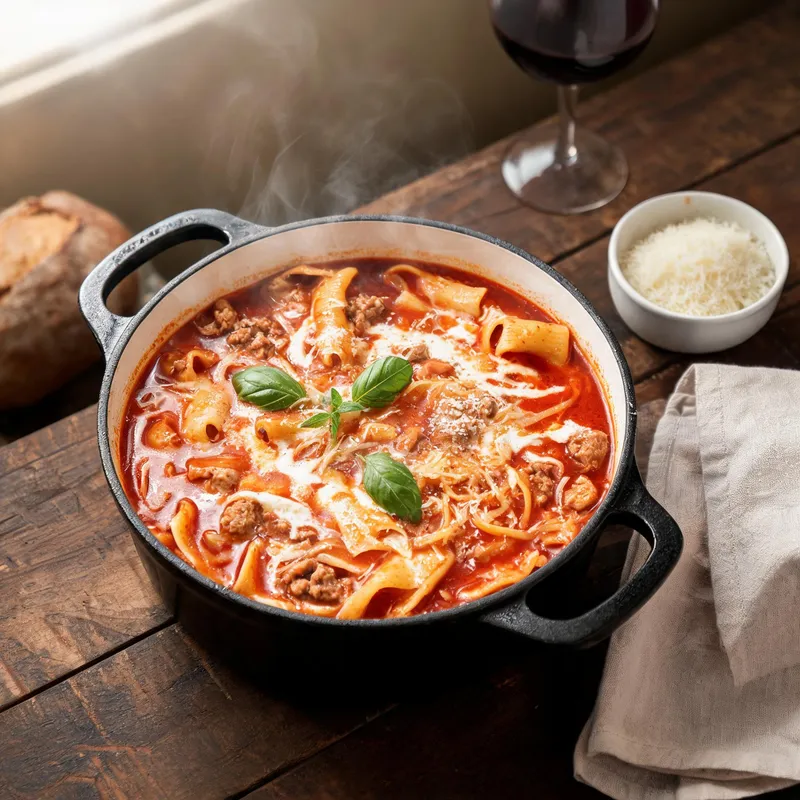
Lasagna Soup with Ground Turkey: One-pot Comfort
Make lasagna soup with ground turkey in about 40 minutes. This one-pot recipe de…