
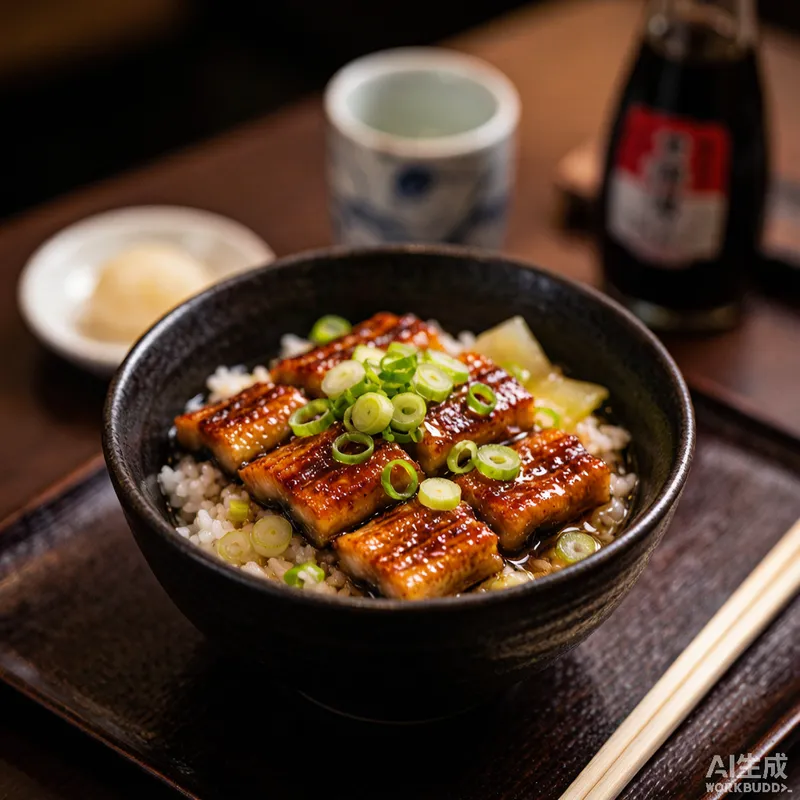
Why Eel Soup Deserves a Spot on Your Table
Most people think of eel as that glazed fillet over sushi rice or a fancy wine-braised dish at a white-tablecloth restaurant. But home cooks who know their way around a pot understand the real prize: a clear, silky eel soup loaded with natural gelatin and a quiet kind of satisfaction that's hard to find elsewhere.
In coastal towns and riverside communities, eel soup is a seasonal ritual that kicks in when the weather turns cool. That's when eel hits its peak, carrying a season's worth of richness under its skin. Simmered slowly with a few simple aromatics, it turns into a broth that feels nourishing and deeply comforting all at once. If you grew up with this dish, the aroma alone can bring back memories of home.
This isn't a bold, heavily seasoned broth or a one-note seafood stock. It's gentle and savory, with a light viscosity from the eel's natural collagen. Each spoonful coats your palate with a clean, sweet flavor that lingers just long enough to make you reach for another sip. This guide walks you through everything from picking the right eel to the final seasoning, so you can make a bowl that lives up to the tradition.
Picking the Right Eel Makes All the Difference
The single most important step in making eel soup is choosing the right fish. You'll generally find three types: freshwater eel, saltwater eel, and farm-raised eel. For soup, freshwater eel wins hands down.
- Freshwater eel: Fine-textured flesh with moderate fat, thick skin, and plenty of collagen. It produces a milky, sweet broth and is the best choice for soup.
- Saltwater eel: Coarser flesh with a stronger flavor. Better suited for braising or pan-frying than for a delicate clear soup.
- Farm-raised eel: Many eels sold as freshwater eel are actually farm-raised. They're uniform in size but tend to have a milder flavor. If you can, choose semi-wild or reservoir-raised eel for firmer, more flavorful meat.
When you're at the market, check the eyes and belly. Clear, bright eyes and a silvery-white belly that springs back when pressed mean the eel is fresh. That slippery coating on the skin is natural and actually signals the eel hasn't been sitting around. It's not a sign of poor quality.
The Ingredient List: Simple but Purposeful
Eel soup doesn't need a long list of ingredients, but each one has a job to do.
- Main ingredient: 1 freshwater eel, about 1.5 pounds, enough for two servings
- Aromatics: 3–4 thin slices of dry-cured ham, 1 small bamboo shoot, and 3–4 dried shiitake mushrooms
- Seasonings: 5–6 slices of fresh ginger, 1 small bunch of scallions tied in a knot, 2 tablespoons of cooking wine, a pinch of white pepper, and salt to taste
- Optional additions: A small handful of goji berries and a few strips of ginseng root for extra warmth
Ham and bamboo shoot deserve special attention here. The ham provides a salty, savory foundation that gives the broth depth, while the bamboo shoot adds a clean sweetness that complements the eel. If bamboo shoots are out of season, water chestnuts or another substitute can work, but try not to skip them entirely.
Step-by-Step Cooking Method: Three Stages, Each Essential
Stage One: Preparing the Eel
That slippery coating on the eel's skin will ruin your soup if you don't remove it properly. The process is simple but needs care:
- Rinse the live eel under cold running water.
- Heat water to about 160–175°F, just below a simmer, and blanch the eel for 10–15 seconds. Remove it as soon as the skin turns white.
- Scrape off the white coating with the back of a knife or a clean scrubbing pad, then rinse thoroughly.
- Cut open the belly, remove the innards and gills, and peel away the dark membrane lining the cavity. This membrane carries the strongest fishy odor.
- Cut the eel into 2-inch sections and marinate with cooking wine and ginger slices for 10 minutes.
Here's a key tip: don't let the blanching water get too hot. If the skin splits, the collagen will leak out and your soup will lose its body. Keep the blanching time short and remove the eel the moment the skin changes color.
Stage Two: Searing to Remove Fishiness and Build Flavor
Plenty of home cooks skip searing and go straight to simmering, but the soup will lack depth. The proper method is:
- Heat a small amount of oil in a pan and sauté the ginger slices until fragrant.
- Pat the eel pieces dry, then sear over medium heat until both sides are lightly golden. This takes about 90 seconds per side. You want a light golden color, not a deep brown.
- Pour the cooking wine along the edge of the pan. The sizzle releases the wine's aroma and carries away much of the fishy odor.
Searing does more than remove fishiness. It also helps the broth turn milky. The heat causes the fat to emulsify with proteins, which creates that desirable white color. Skip this step and you'll end up with a thinner, less aromatic soup.
Stage Three: Slow Simmering
- Transfer the seared eel to a clay pot or Dutch oven. Add the ham slices, bamboo shoot pieces, rehydrated shiitake mushrooms, and enough boiling water to cover. Boiling water is essential here. Cold water will cause the fish flesh to tighten and turn tough.
- Bring to a rolling boil, skim off any foam, then reduce to low heat and simmer for 40–45 minutes. Keep the lid on as much as possible to trap the steam and aroma.
- Five minutes before the end, add the goji berries and salt. Salt should always go in last. Adding it too early makes the fish flesh firm and dulls the natural sweetness.
- Just before serving, sprinkle with white pepper. This small addition lifts the sweetness of the eel and brings the whole broth into focus.
Nutritional Profile of Eel Soup
Eel has earned a reputation as a highly nutritious fish, and the numbers back it up:
- High-quality protein: A 3.5-ounce serving of eel contains roughly 18–20 grams of protein with an amino acid profile your body can easily use. It's often considered a gentler option than chicken broth for those recovering from illness.
- EPA and DHA: These omega-3 fatty acids matter for cardiovascular health. Regular consumption may support brain function and heart health.
- Collagen: Eel skin is exceptionally rich in collagen, much of which dissolves into the broth during simmering. Many people believe this supports skin elasticity and joint health.
- Vitamins A and E: Eel is one of the fish highest in vitamin A, which is important for eye health. It also provides vitamin E, a fat-soluble antioxidant.
- Calcium and selenium: Eating the eel along with the broth provides calcium, while selenium acts as an antioxidant that helps protect cells from damage.
This soup is particularly well suited for people who feel cold in the hands and feet during autumn and winter, those who spend long hours in front of screens, and older adults looking for a nutrient-dense meal. That said, eel is not low in fat. Anyone with gout during an active flare-up or with significantly elevated cholesterol should enjoy it in moderation.
Variations to Keep the Soup Interesting
The classic version is satisfying on its own, but small changes can create entirely new experiences.
- Ginseng and goji berry eel soup: Add 10 grams of American ginseng root and a handful of goji berries. This version is often chosen by people feeling fatigued after late nights or intense work schedules.
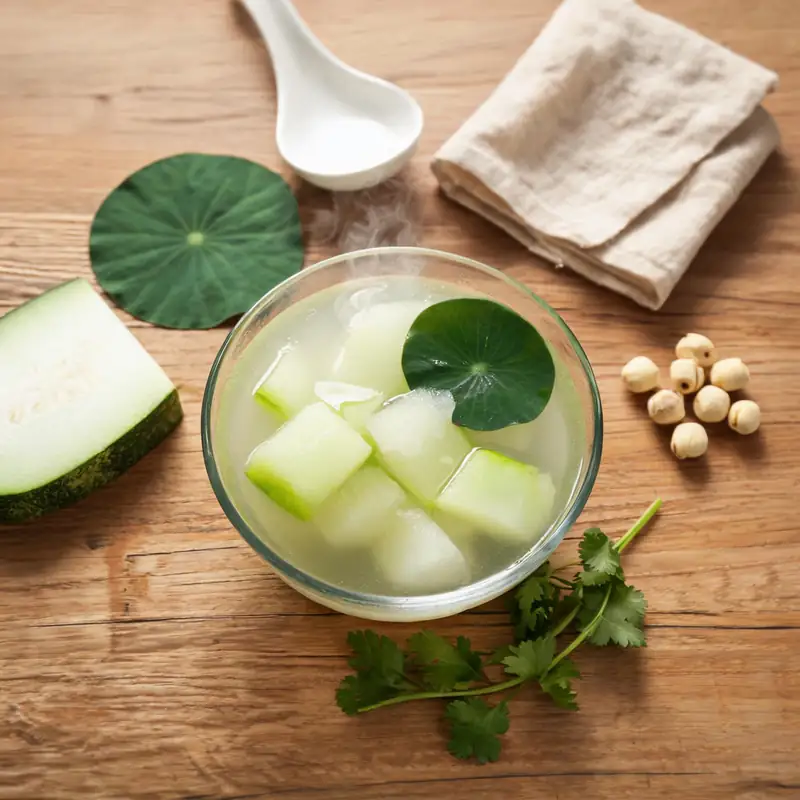
- Winter melon and barley eel soup: In warmer months, add chunks of winter melon and a handful of pearl barley. The melon absorbs the eel's flavor and becomes a highlight of the dish.
- Eel and tofu soup: Add cubes of soft tofu in the last 10 minutes of cooking. Gently stir once so the tofu stays intact. The texture of the tofu mirrors the tenderness of the eel.
- Herbal version: Add 5 grams each of astragalus root and codonopsis root for a more robust broth. This version is traditionally reserved for people recovering from a long illness or after childbirth. Avoid it if you have a fever or active cold.
Common Mistakes and How to Avoid Them
Even experienced cooks can run into issues with eel soup. These are the details that matter most:
- Don't add too much water: Eel soup should be concentrated, not watery. For a 1.5-pound eel, about 5 cups of water is sufficient. Too much water dilutes the collagen and leaves you with a thin broth.
- Avoid stainless steel pots: Stainless steel conducts heat too quickly, causing the soup to boil aggressively and the fish to fall apart. A clay pot or Dutch oven is better for maintaining a gentle, even simmer.
- Slice the ginger, don't shred it: Shredded ginger breaks down during long simmering and clouds the broth. Whole slices are easy to remove before serving.
- Keep the mushroom soaking water: If you're using dried shiitake mushrooms, strain the soaking liquid and add it to the soup. It carries an earthy depth that no seasoning can replicate.
- Reheat gently: If you have leftovers, reheat over low heat without bringing the soup to a full boil. Boiling breaks down the collagen and thins the broth.
A Bowl of Soup for the Whole Season
There's an old saying that eel is at its fattest when autumn winds arrive. For many families, the appearance of this soup on the dinner table marks the beginning of the cooler months. It's not an extravagant dish, but it carries a quiet sense of comfort that's hard to replicate with anything else.
For anyone who feels run-down or simply wants a nourishing meal, a pot of eel soup is a practical and satisfying choice. Watching the broth slowly turn from clear to milky white as the eel releases its collagen is a small ritual that rewards patience.
On your next trip to the market, look for a fresh freshwater eel and follow the steps above. When the warm broth moves down slowly, you'll understand why this soup has earned its place as a seasonal favorite.
Take your time with each spoonful. Let the warmth and gentle sweetness settle slowly. That's the best way to honor both the ingredient and the season.
You Might Also Like
 Energy & Vitality
Bone Broth Soup Recipe Chicken: Hearty Chicken Bone Broth Soup
Learn how to make a comforting chicken bone broth soup with tender vegetables an…
 Energy & Vitality
Hen Soup: Nourishing Chicken Soup for Cold Months
Learn how to make a nourishing chicken soup with gentle herbs. This slow-simmere…
 Energy & Vitality
Gluten Free Chicken Noodle Soup: Easy One-Pot Comfort
Learn to make gluten free chicken noodle soup from scratch. Quick, one-pot recip…
 Energy & Vitality
Lotus Leaf and Winter Melon Soup: A Light Summer Soup for Heat and Humidity
This lotus leaf and winter melon soup is a light, refreshing summer soup traditi…